ZD Skin Solution
Start Your Project
ZD Skin Solution
Explore the global barrier-repair skincare opportunity in 2026, from sensitive-skin demand and ceramide systems to regional product formats, claims and OEM/ODM development priorities.


Barrier repair has become one of the most useful product-development platforms in skincare. The opportunity is not simply to put “barrier” on a cream label. Brands are building routines around sensitive skin, dryness, over-exfoliation, climate stress, post-treatment comfort and daily maintenance.
This global market report examines the public evidence behind the trend and translates it into product decisions for brands, retailers and OEM/ODM buyers. It covers Europe and the UK, North America, Korea and China, Japan, Southeast Asia, the Middle East and Latin America. The analysis combines public retail measurement, product launches, industry research, retailer activity and regulatory sources. Where a source reports launch shares or channel signals rather than sell-out, that distinction is made explicit.
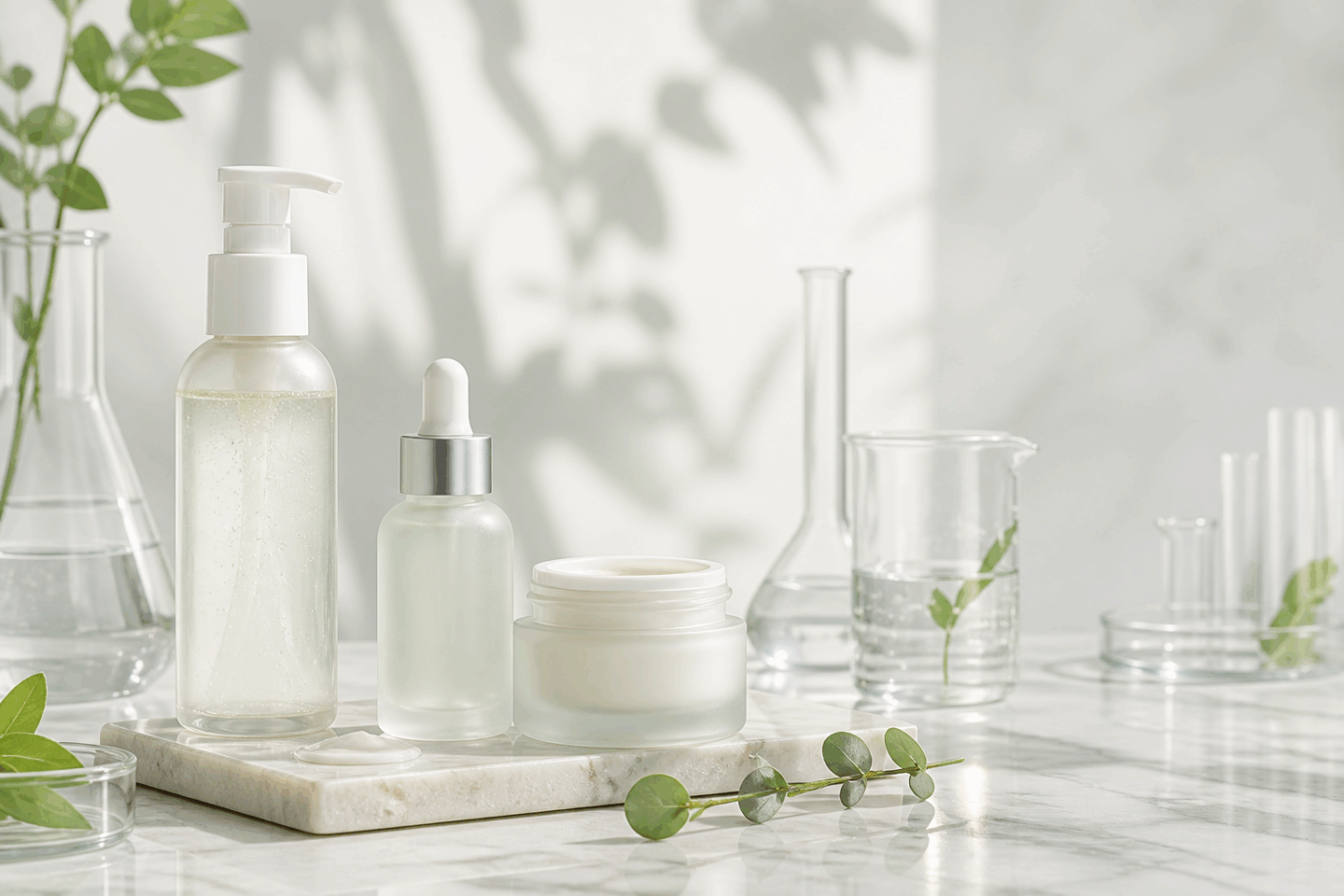
Editorial image: a gentle cleanser, barrier serum and cream system in a formulation-led development setting.
The skin barrier is commonly discussed as the outer defence system that helps reduce water loss and supports the skin’s ability to tolerate environmental and routine stress. For a cosmetic brand, “barrier repair” should be translated into observable, supportable cosmetic outcomes such as improved hydration, reduced feeling of tightness, greater comfort, smoother-looking skin and support for a healthy-looking skin surface.
It should not be treated as a licence to claim that a cosmetic product heals disease, cures dermatitis, repairs wounds or replaces medical care. The formula, testing and final advertising language must be considered together.
From a development perspective, a barrier product is usually a system of:
The commercial value is not the number of ingredients listed on the carton. It is the clarity of the primary job and the consistency of the complete routine.
Mintel’s cited GNPD data provides one of the clearest public comparisons: sensitive-skin claims accounted for 39% of facial skincare launches in Japan, 28% in the US and 12% in France during April 2023 to March 2024. The data is not a 2026 sell-out forecast, but it shows that brands are repeatedly using sensitivity and tolerance as innovation territory rather than a niche afterthought.
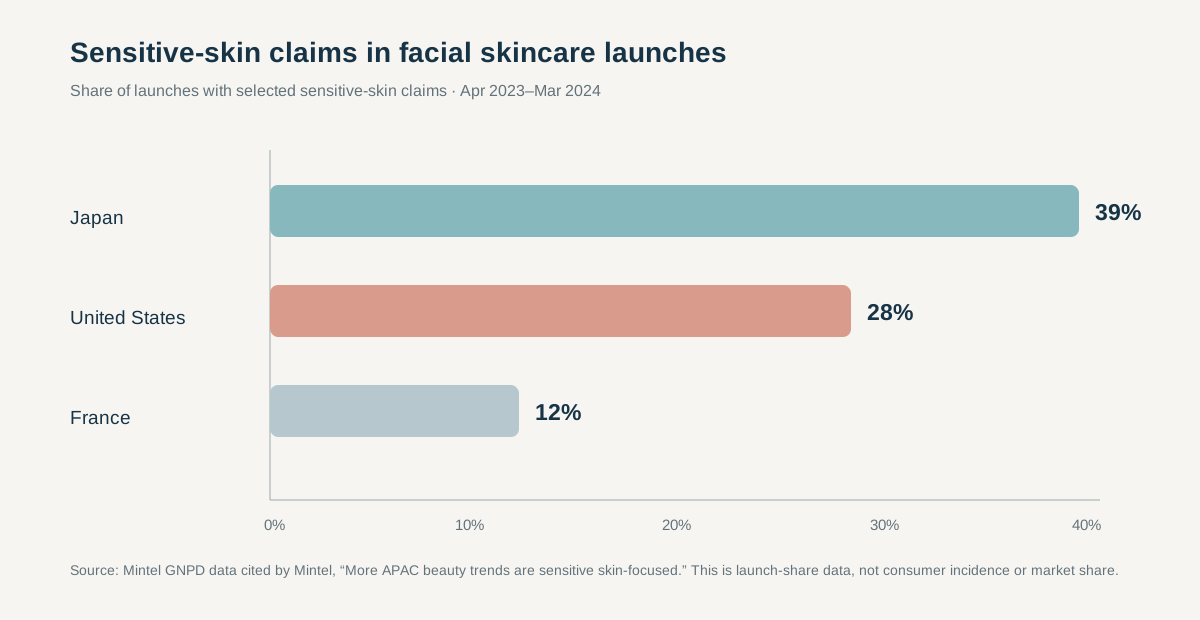
Japan’s higher share supports a product direction built around mildness, comfort and daily maintenance. The US share supports the commercial potential of a clear sensitive-skin benefit in a large, competitive market. France’s lower figure should not be interpreted as low consumer need; it reflects one defined claim set and launch dataset, not all barrier-related language or all European countries.
Barrier care is no longer confined to a thick night cream. The direction is visible in recent product activity:
Together, these signals point to a useful product principle: barrier care should be designed for the moment before the skin feels compromised, not only for rescue use.
Europe is the highest-priority region for a carefully documented barrier platform. Consumers are familiar with dermocosmetics, pharmacy-led care and fragrance-conscious products. The strongest opportunities include fragrance-free cleansers, ceramide creams, lightweight barrier serums and post-exfoliation comfort products.
The product brief should prioritise:
EU cosmetic products must follow Regulation (EC) No 1223/2009 and related updates, while UK launches require their own notification and compliance review. Start with the ZD Compliance Guide before locking formula claims or packaging language. European Commission
North American consumers respond to clear problems and visible, easy-to-understand benefits. A barrier product can work well when the consumer immediately knows when to use it: after over-exfoliation, during seasonal dryness, with retinoid routines, or as a daily moisturiser for reactive-feeling skin.
The most suitable concepts are:
Claims should be backed by a proportionate evidence plan, such as hydration testing, user evaluation, instrumental barrier-related measures where relevant and a clear claims matrix. US MoCRA responsibilities should also be included in the operating plan. FDA MoCRA
Canada requires manufacturers and importers to submit a Cosmetic Notification Form within 10 days after first sale. Health Canada also makes clear that notification is not product approval, so the formula, label and claims remain the brand’s responsibility. Health Canada
Korea is an important source of new textures and routine formats. Barrier support is often combined with cica, panthenol, ceramides, fermented ingredients, mild acids or active ingredients designed to make high-performance routines feel more tolerable.
China is both a large consumer market and an important manufacturing and ingredient ecosystem. Product development can use a tiered architecture: an accessible cleanser or mask, a repeat-purchase serum, and a higher-value cream or treatment product. Tmall, JD.com, Douyin and Xiaohongshu are useful for observing price bands, format adoption and consumer language, but online assortment is not equivalent to national sell-out.
The main risk in both markets is overstatement. Terms such as “repair,” “medical-grade,” “post-procedure” and “anti-inflammatory” need to be reviewed against the formula, advertising channel and local classification rules.
Japan’s 39% sensitive-skin launch share in the Mintel data supports a clear development direction: low-irritation, fragrance-conscious, easy-to-layer products with a calm and trustworthy sensory experience.
Kao’s Curél launch is a useful current signal because it positions Ceramide Care technology for dry, sensitive skin while explicitly discussing adaptation across global regions. Kao Curél
Recommended formats include a light oil serum, gel-cream, gentle cleansing milk, eye moisturiser and compact treatment mask. Japanese development should place more weight on texture, packaging usability and mildness testing than on a dramatic hero claim.
Singapore, Thailand, Indonesia, Malaysia, Vietnam and the Philippines are strong test markets for climate-adapted barrier products. The product needs to deliver comfort without leaving a heavy film, especially in a routine that may already include sunscreen, makeup or several layers of hydration.
High-potential formats include:
The ASEAN Cosmetic Directive provides a harmonised reference, but notification, responsible-person and implementation requirements still need to be checked country by country. ASEAN Cosmetics Association
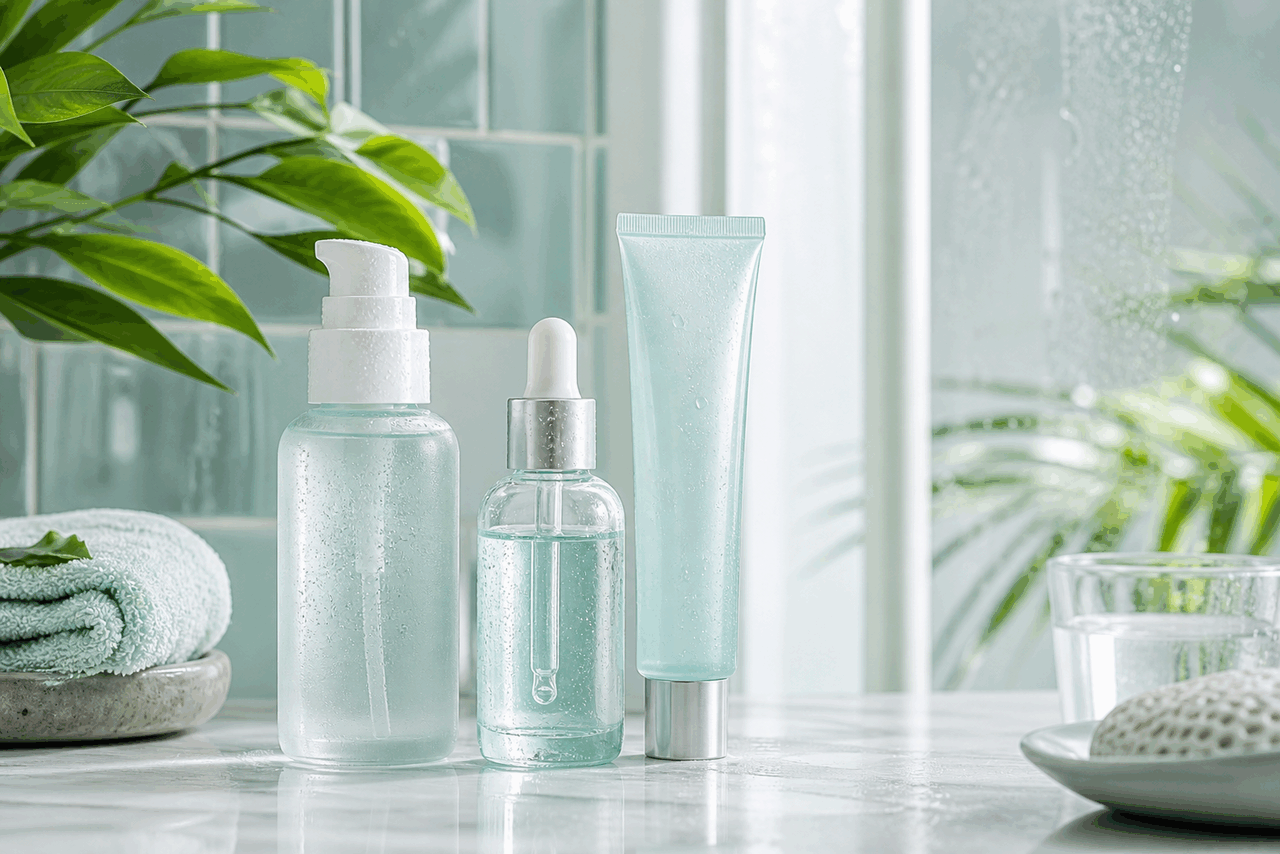
Product direction: a breathable cleanser, serum and gel-cream system for warm-climate routines.
The Gulf region is suitable for premium barrier products that combine deep hydration with an elegant finish. A rich cream can work, but it should avoid excessive greasiness and fit layering with fragrance, makeup and sunscreen routines.
Suitable concepts include a concentrated barrier serum, an airless cream, an overnight moisture mask and a premium travel or gift set. Brands should confirm market registration, distributor requirements, language and packaging expectations before finalising the concept.
Brazil, Mexico and Colombia provide selective opportunities for products that explain the barrier benefit in simple language and deliver visible comfort at a realistic price. The most practical entry points are a multi-use moisturiser, accessible serum, gentle cleanser and discovery mask.
Brazilian launches require attention to ANVISA’s cosmetics framework and the relevant company and product requirements. ANVISA
The following chart is based on the latest specific public comparison located for sensitive-skin claims in facial skincare launches. It should be read as an innovation signal rather than a current market-size ranking.
The data suggests that “sensitive skin” is not a single global consumer segment. Japan’s product language may emphasise mildness and daily maintenance; the US may emphasise visible comfort and routine recovery; Europe may express the benefit through dermocosmetic and pharmacy credibility.
This lipid family is the most recognisable foundation for barrier positioning. The development challenge is not simply adding a ceramide; it is creating an appropriate lipid system with good dispersion, stability, sensory performance and cost control.
These are useful for accessible hydration and comfort formulas. They can support cleansers, serums, creams and masks, making them practical for a broad product architecture.
These ingredients fit stress-support, comfort and environmental-exposure narratives. They are particularly useful when a brand wants a lighter alternative to a heavy occlusive cream.
Squalane and carefully selected esters can improve softness without forcing the formula into a greasy texture. The right choice depends on climate, skin feel, packaging and target cost.
These ingredients can strengthen the comfort story, but the formulation team should avoid creating a crowded “everything soothing” formula. Select a small number of ingredients that match the product’s primary job.
| Product goal | Suggested ingredient system | Suitable formats |
|---|---|---|
| Daily barrier support | Ceramides, cholesterol, fatty acids, glycerin | Cream, gel-cream |
| Lightweight recovery | Panthenol, ectoin, beta-glucan, squalane | Serum, mist |
| Sensitive-skin cleansing | Mild surfactants, glycerin, oat or panthenol | Milk, gel, cleansing oil |
| Post-active comfort | Ceramides, allantoin, beta-glucan, panthenol | Serum, mask, cream |
| Hot-climate barrier care | Humectants, light emollients, ectoin, low-residue lipids | Water-gel, fluid, mist |
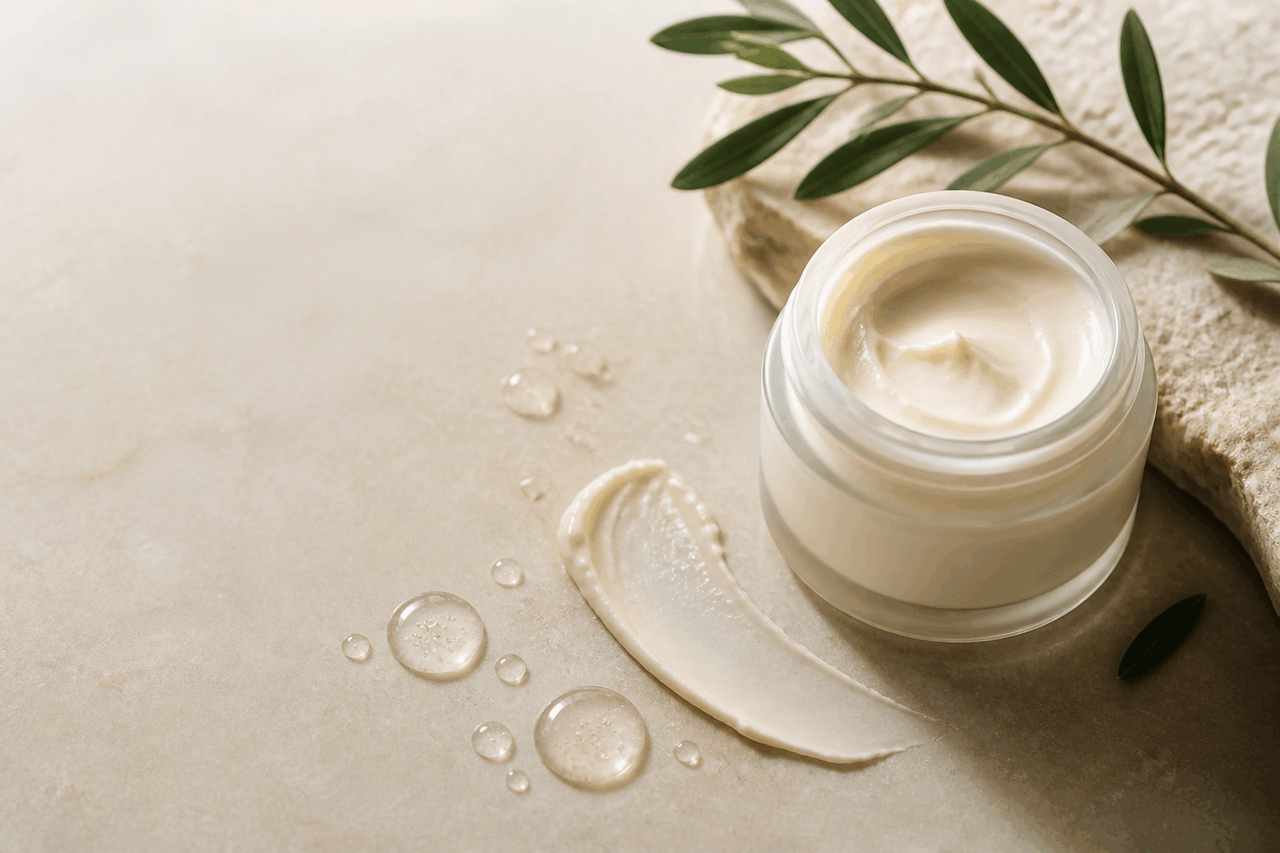
Product direction: a ceramide-lipid cream with a rich visual texture but a controlled, wearable finish.
Best for brands seeking a lightweight hero product. The texture should absorb quickly, layer under sunscreen and makeup, and communicate comfort without looking like a medical treatment.
Best for Europe, Japan, North America and hot-climate markets. The formulation brief should define whether the desired finish is matte, satin or dewy and whether the product will be used morning, evening or both.
Useful as a high-repurchase routine anchor. A cleanser cannot be positioned as a leave-on repair treatment, but it can support a gentle, non-stripping routine and improve the credibility of the complete platform.
This format can create differentiation in crowded markets and support quick comfort, layering and travel use. Packaging compatibility and microbiological stability deserve early attention.
A small cleanser-serum-cream system can lower trial risk and communicate the routine more clearly than one standalone product. It also gives a new brand a practical path toward repeat purchase and future SKU expansion.
The following score is an editorial decision-support tool, not a sales forecast. It combines public evidence of sensitive-skin innovation, current barrier-care launches, channel fit, formulation feasibility and claims friction.
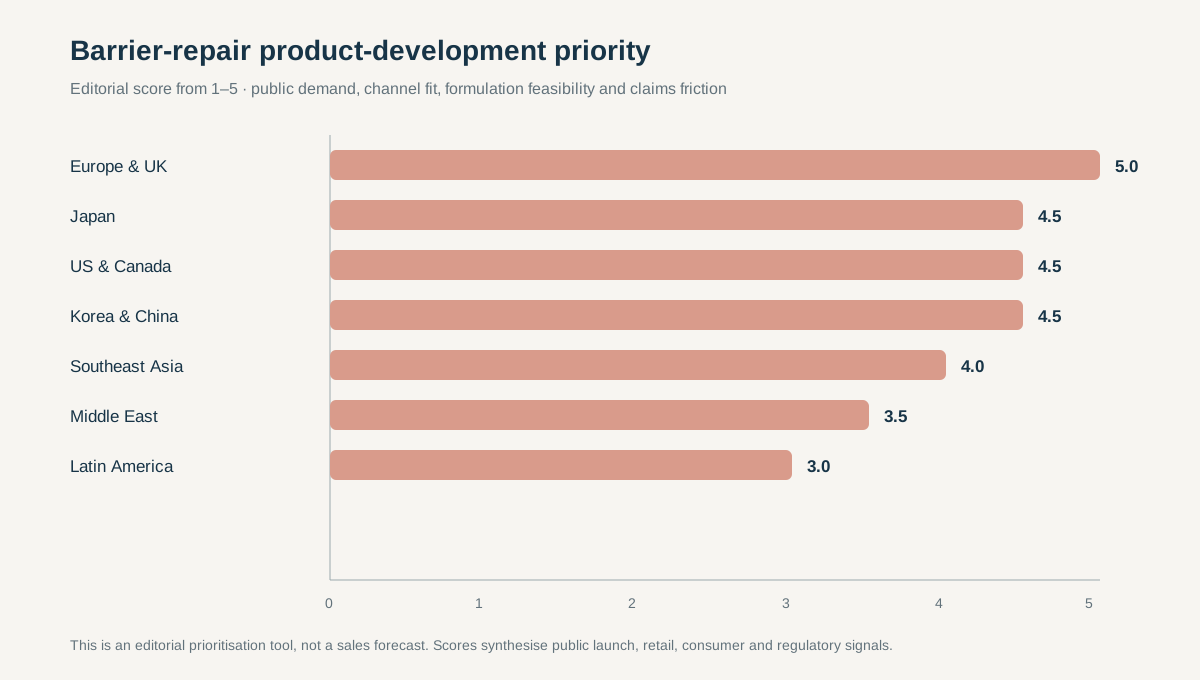
Europe and the UK receive the highest priority because barrier care fits existing dermocosmetic and sensitive-skin demand, provided documentation is strong. Japan, North America and Korea/China are close behind for different reasons: mildness and trust in Japan, visible comfort and retail potential in North America, and innovation and sourcing depth in Korea and China.
Before a product is approved for sampling or packaging, the brand and manufacturer should align on:
Claims such as “helps improve the appearance of dryness,” “supports skin comfort” and “leaves skin feeling soft” are generally easier to substantiate than statements suggesting that a cosmetic product heals dermatitis or repairs a clinical skin condition. Final wording must be reviewed with the actual formula, evidence and destination market.
For ingredient selection and formula discussions, see the ZD Ingredient Library and Cosmetic Ingredients.
Brands can compare Private Label Skincare Solutions with Bulk Skincare Formulations depending on the desired level of differentiation, formula ownership, MOQ and development timeline.
The global barrier-repair opportunity is supported by repeated innovation signals: sensitive-skin claims in new product launches, current ceramide and barrier-care releases, retailer trend coverage and growing consumer interest in skin health. The evidence does not support treating every market as identical or claiming that one ingredient will win everywhere.
The strongest development strategy is to:
For brands entering Europe, the UK, North America, Asia or emerging premium markets, the next step is to define the target consumer, format, price position and claim direction before requesting samples. The ZD team can help evaluate formula options, ingredient systems and an OEM/ODM development pathway.
Evidence limitation: There is no single public dataset that measures global barrier-repair sell-out across all channels and countries. This report separates launch-share data, retail and brand-launch signals, regulatory evidence and editorial scoring. The regional priority score is intended for product-development discussion, not as a market-size forecast.