ZD Skin Solution
Start Your Project
ZD Skin Solution
A source-backed guide to skin longevity skincare in 2026, covering NAD+, ectoin, evidence boundaries, global product formats and OEM/ODM opportunities.


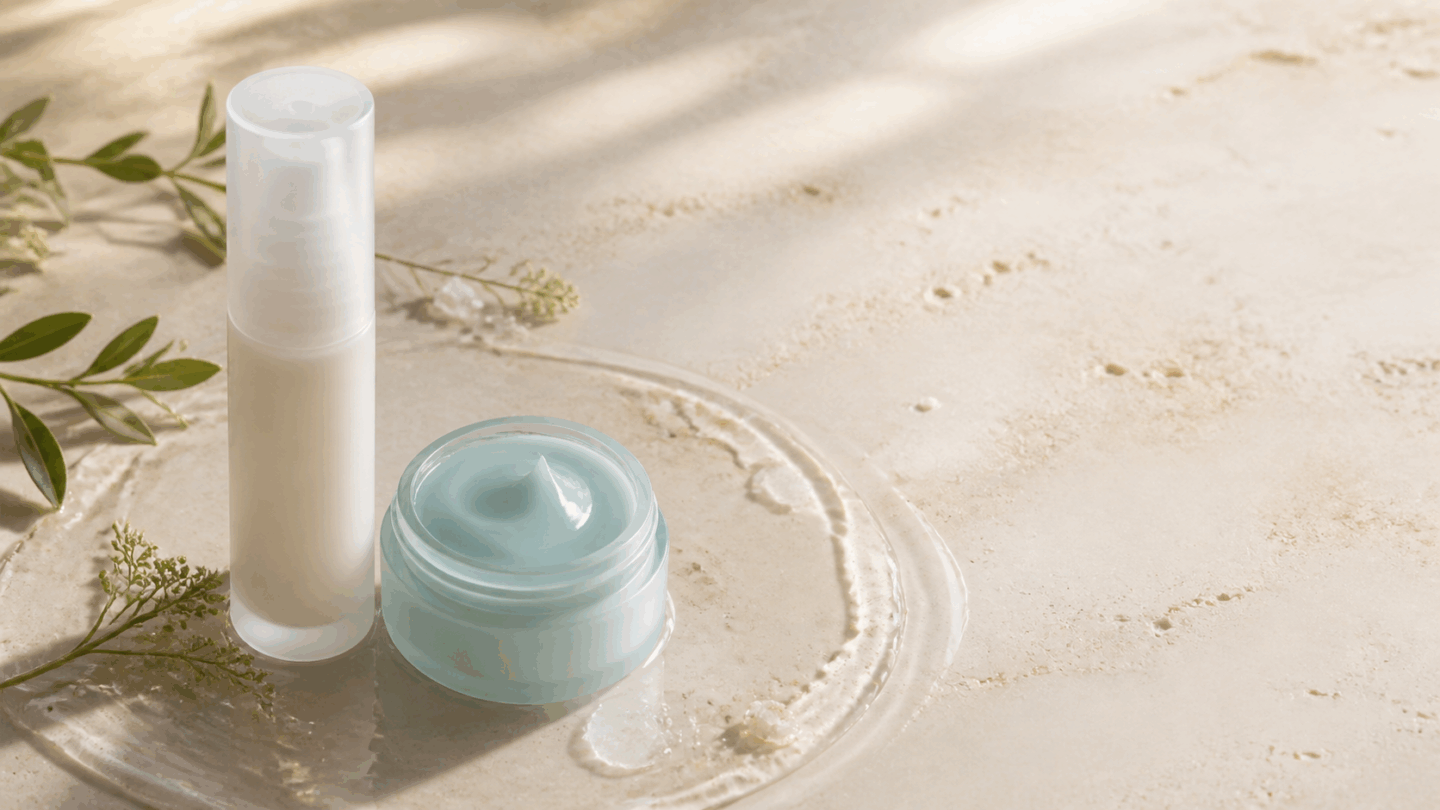
“Skin longevity” is becoming a commercial language for well-ageing, resilience and long-term skin quality. It brings together familiar cosmetic needs—hydration, barrier comfort, radiance and smoother-looking texture—with newer ingredient stories around NAD+, ectoin and cell-stress protection.
For brands, the winning move is not to promise cellular age reversal. It is to turn longevity interest into a stable, sensorial and testable cosmetic routine. This report separates consumer trend signals, topical evidence and procedure-led research so that a daily product is not overclaimed.
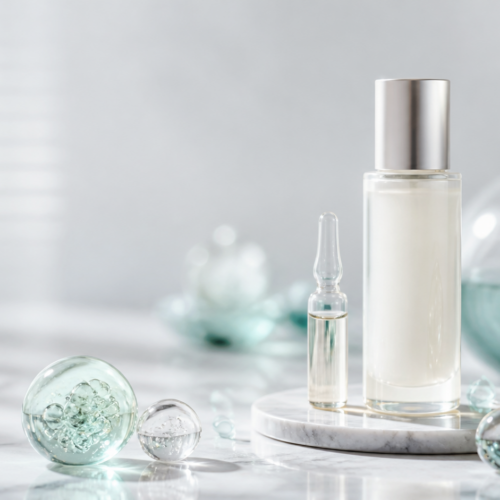
Original visual: a barrier-comfort and healthy-ageing skincare concept.
In a cosmetics context, skin longevity should mean maintaining a healthy-looking, comfortable and resilient-looking skin condition over time. It should not imply reversing biological age, changing cell function, treating disease or replacing medical aesthetic procedures.
That distinction is commercially useful. It lets brands build a coherent routine around three consumer jobs:
NAD+ is a coenzyme central to cellular metabolism, but “NAD+ skincare” is not a single standardised category. Ingredient identity, delivery, stability and finished-formula evidence all matter. Ectoin is an extremolyte often used for stress-protection and hydration stories; it fits naturally into comfort and barrier-led product systems.
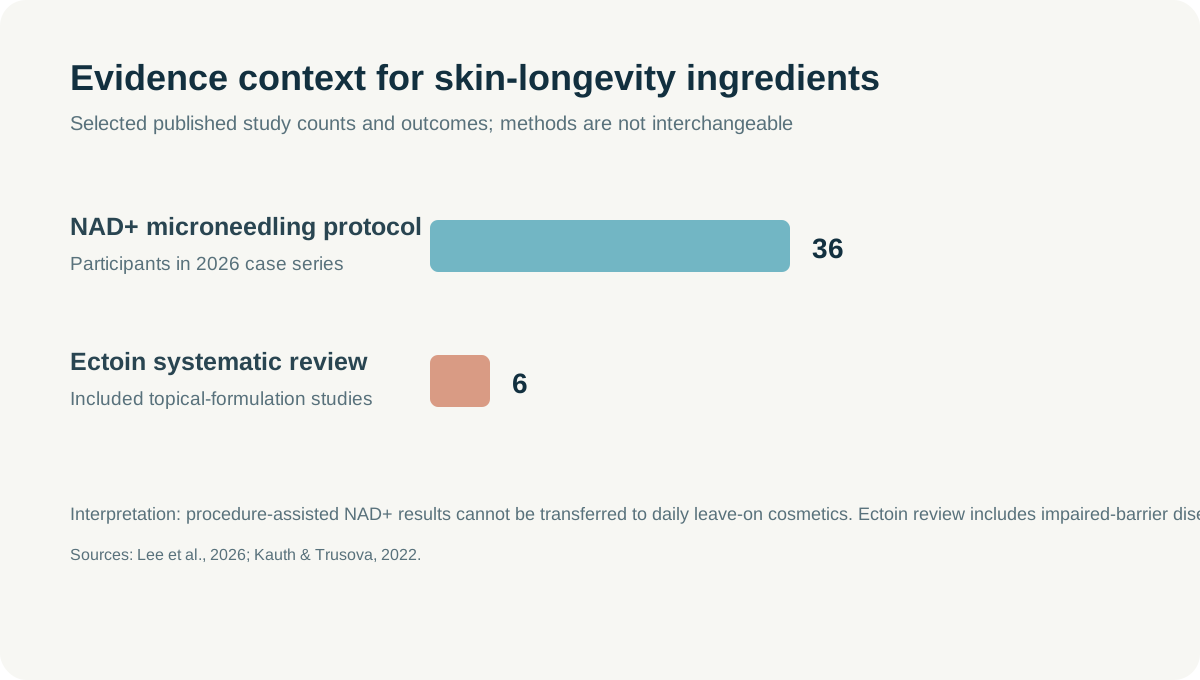
The most eye-catching NAD+ results may involve assisted delivery. A 2026 prospective case series involved 36 Korean women receiving five microneedling sessions followed by a sterile topical NAD+ booster; it reported a 59.2% mean improvement in MASI over 21 weeks. The result belongs to a procedure protocol, not to an ordinary leave-on cosmetic formula. PubMed
There is a more relevant cosmetic-development lesson in older controlled topical work. A study of myristyl nicotinate, a lipophilic niacin derivative, reported a 25% increase in NAD in skin cells and approximately 20% lower transepidermal water loss on cheeks and arms versus placebo. That does not prove the same outcome for a different NAD+ product, but it supports investigation of NAD-pathway ingredient systems with formula-specific testing. PubMed
For ectoin, a systematic review included six clinical studies after screening 230 references. Its disease-context findings are not a cosmetic claims template, but they help explain why ectoin is a credible supporting ingredient in comfort and barrier-focused formulas. PubMed
North America is suited to a premium serum or night cream that explains longevity as daily visible skin quality. The most credible language is hydration, barrier support, radiance and smoother-looking texture. Avoid “repair DNA,” “reverse cellular ageing,” medical disease claims or procedure equivalence.
Europe rewards restrained claims and elegant texture. A NAD-pathway serum or ectoin barrier gel-cream should be supported by a safety assessment, Product Information File and evidence for the specific cosmetic claims. Under the EU Cosmetics Regulation, claims must not imply functions a product does not have. European Commission
Korea and China are the strongest reference markets for NAD+, PDRN, peptides, ampoules and layered routines. Their role is to inspire product architecture—mist, ampoule, hydrogel mask or serum-plus-cream system—not to supply a universal claims template for other markets.
Japan is a fit for fragrance-conscious, mild barrier-comfort formulas. Southeast Asia benefits from lightweight, heat-stable serum and gel textures. The Middle East supports premium airless night treatments; Latin America may respond better to an accessible multi-benefit serum. In each market, local registration and price architecture remain decisive.
| Concept | Ingredient direction | Format | Cosmetic story |
|---|---|---|---|
| NAD-pathway glow serum | Qualified NAD-pathway ingredient, niacinamide, humectants | Lightweight serum | Hydration, radiance and smoother-looking texture |
| Ectoin barrier night gel | Ectoin, ceramides, squalane, beta-glucan | Gel-cream | Comfortable, replenished-looking skin overnight |
| Longevity defence mist | Ectoin, panthenol, humectants | Fine facial mist | Fresh hydration and daily-stress comfort |
| Premium serum-and-cream duo | NAD-pathway story, ectoin, compatible peptides and lipids | Airless duo | A consistent well-ageing routine |
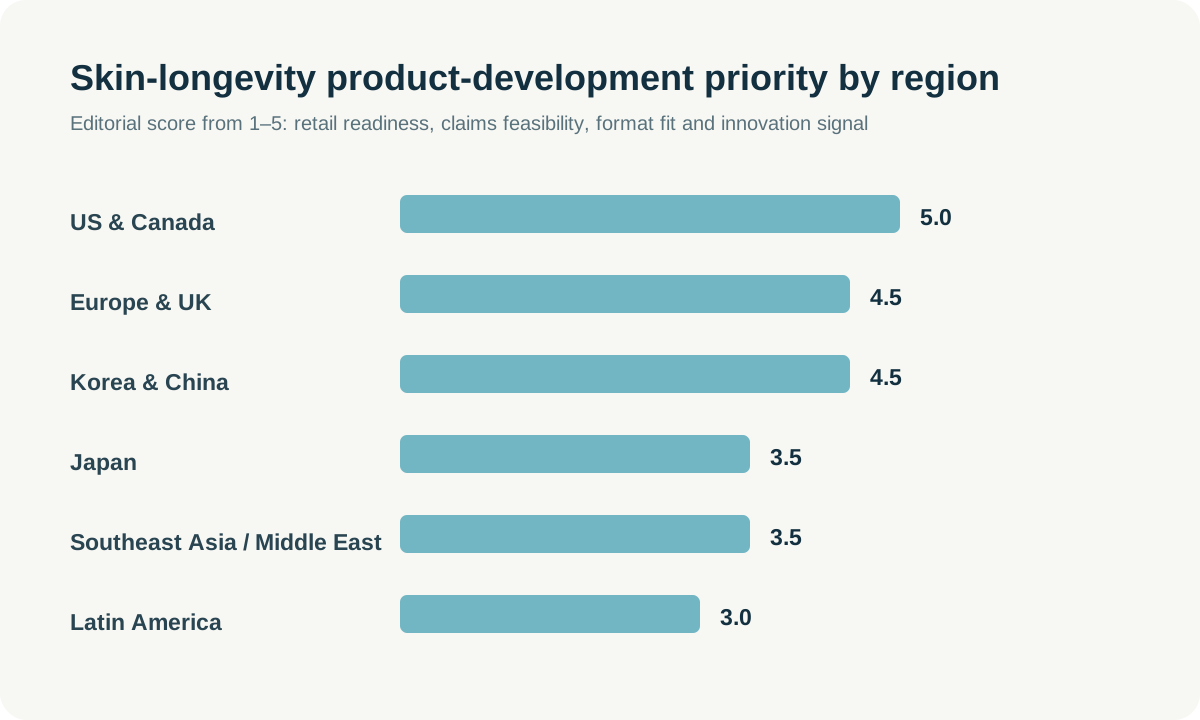
This priority chart is an editorial decision-support view, not a market-size forecast. North America and Europe rank highly for premium substantiated products; Korea and China remain high-priority innovation references.
Before sampling, brands should confirm the exact NAD-related material, active specification, pH and preservation compatibility, light/oxygen sensitivity, packaging and supplier batch documentation. For ectoin, confirm use level, sensory contribution and compatibility with the desired lipid and humectant system.
The claim plan should be written before the creative brief. Good cosmetic territory includes “helps skin look hydrated,” “visibly smoother-looking,” “radiance,” “comfortable-feeling” and “barrier-support routine.” Avoid claims about treating pigmentation disorders, repairing DNA, changing cell senescence, healing inflammation or replacing procedures.
For adjacent ingredient systems and sampling support, visit the ZD Ingredient Library, Cosmetic Ingredients and OEM/ODM service.
Skin longevity is a useful 2026 platform because it connects modern longevity interest with consumer needs that cosmetics can actually support. NAD+ brings attention, ectoin brings a pragmatic barrier-support story, and the finished formula determines whether a product is credible.
The strongest launch is not a “cellular age reversal” serum. It is a stable, well-positioned cosmetic system with transparent ingredients, good texture, defensible claims and testing on the formula consumers will use. To explore a concept, contact the ZD team with your market, format, target price and claim direction.
Evidence limitation: The cited NAD+ procedure study is not evidence for a daily cosmetic serum. Ectoin clinical literature includes disease and medical-device contexts; cosmetic claims must be supported by the intended finished formula. Regional priorities are editorial assessments, not sales forecasts.