ZD Skin Solution
Start Your Project
ZD Skin Solution
A source-backed guide to GHK-Cu and copper peptide skincare in 2026, covering global demand signals, retail formats, formulation constraints and OEM/ODM opportunities.


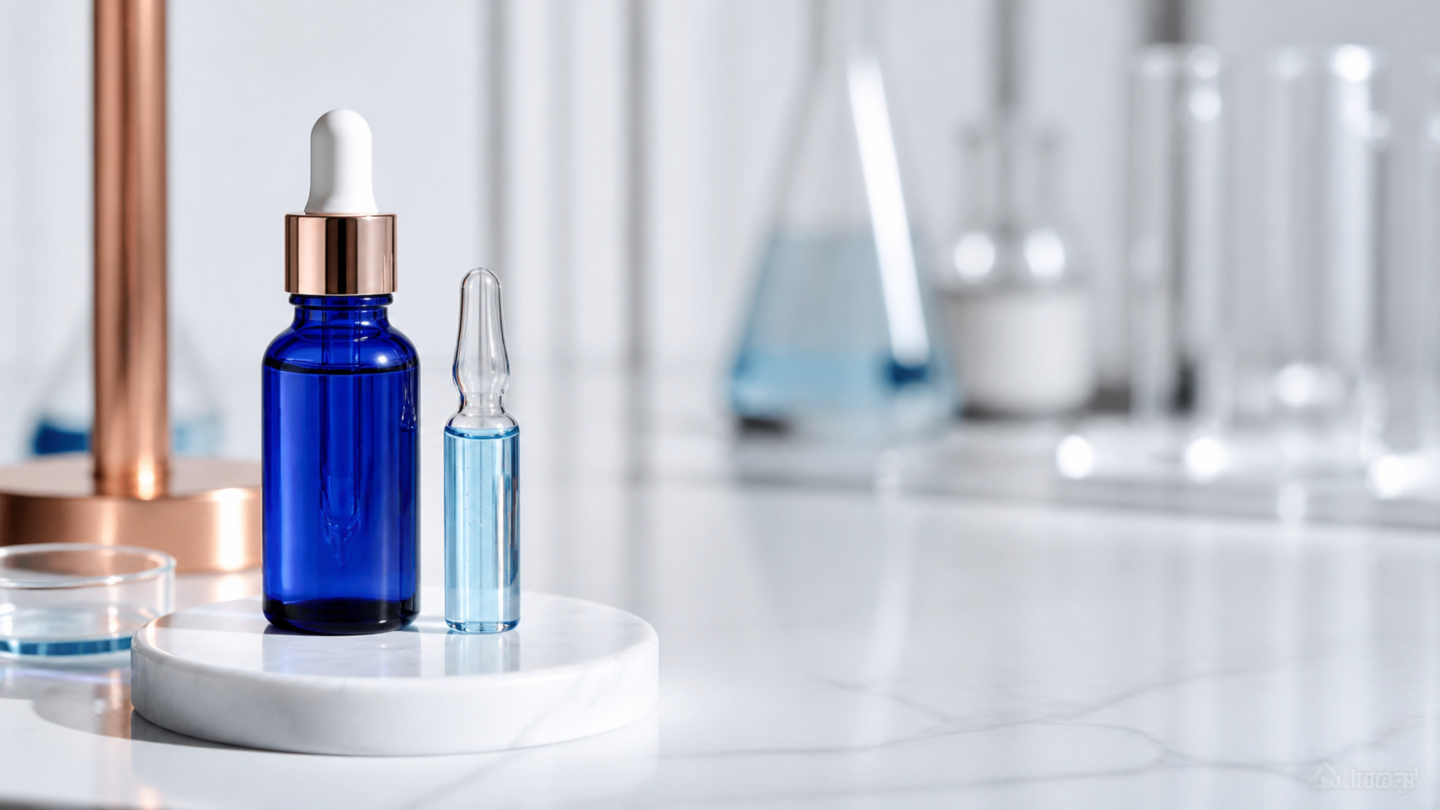
GHK-Cu is moving from a specialist “copper peptide” discussion into a more visible skincare opportunity. The trend is being driven by a broader consumer appetite for peptide-led healthy ageing, clinical-looking efficacy and products that combine visible hydration with a credible skin-quality story.
For brands, the opportunity is not to repeat inflated “regeneration” claims. It is to develop a stable, cosmetically appropriate copper-peptide product with a clear consumer job: a plumping serum, healthy-ageing treatment, hydrating night gel, eye treatment or premium routine system.
This report distinguishes market signals from scientific evidence. It uses retail pages, published search-trend analysis, brand product information, a 2026 peer-reviewed study and regulatory sources. Where an indicator is a search or retail proxy rather than verified sell-out, it is labelled accordingly.
Original visual: a copper-peptide skincare concept for formulation and product-development discussion.
GHK-Cu is a complex formed when the tripeptide glycyl-L-histidyl-L-lysine binds copper. In cosmetic ingredient lists, it is commonly encountered as Copper Tripeptide-1. It belongs within the broader copper-peptide category, but different copper peptides, delivery systems and concentrations should not automatically be treated as equivalent.
For a product developer, three distinctions matter:
The commercial implication is simple: formula specification and claims must be more precise than the social-media label “blue copper peptide.”
GHK-Cu is benefiting from the same forces that are lifting peptide skincare more broadly: consumers are looking for longevity-oriented products, science-coded ingredient stories and alternatives to aggressive exfoliation. Mintel’s 2026 ingredient trend report identifies signal peptides and clinic-inspired skincare as growing innovation areas. Mintel
The consumer signal is substantial but should be read carefully. Rising Trends estimates 246,000 searches for GHK-Cu and 40,500 for copper peptide, with triple-digit year-over-year growth. The terms may include curiosity around topical, clinical and injectable content, so they indicate discovery rather than direct cosmetic demand. Rising Trends
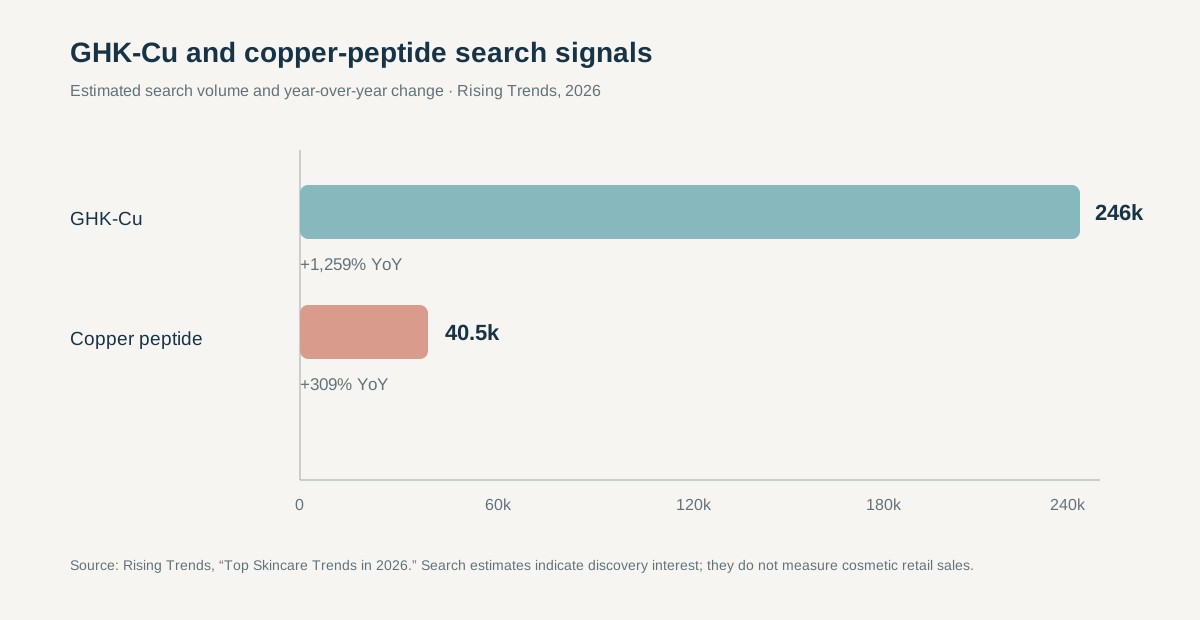
The useful takeaway for a skincare brand is not “launch immediately because searches are high.” It is that the ingredient has become recognisable enough for product education to be efficient—provided the brand explains what the finished formula is designed to do.
Retail products demonstrate that copper peptides can support very different price positions and formula architectures.
| Product | Channel | Listed price | Product architecture | What it signals |
|---|---|---|---|---|
| The Ordinary Multi-Peptide + Copper Peptides 1% | Brand DTC | $32 | Multi-peptide aqueous serum | Accessible, routine-led peptide care |
| Biossance Copper Peptide (GHK-Cu) Rapid Plumping & Hydrating Serum | Sephora US | $69 | GHK-Cu with hyaluronic acid and squalane | Premium hydration and plumping story |
| NIOD Copper Amino Isolate Lipid 1% | Brand DTC | $165 | Lipid-pathway copper-peptide night gel | Prestige, delivery-system-led healthy ageing |
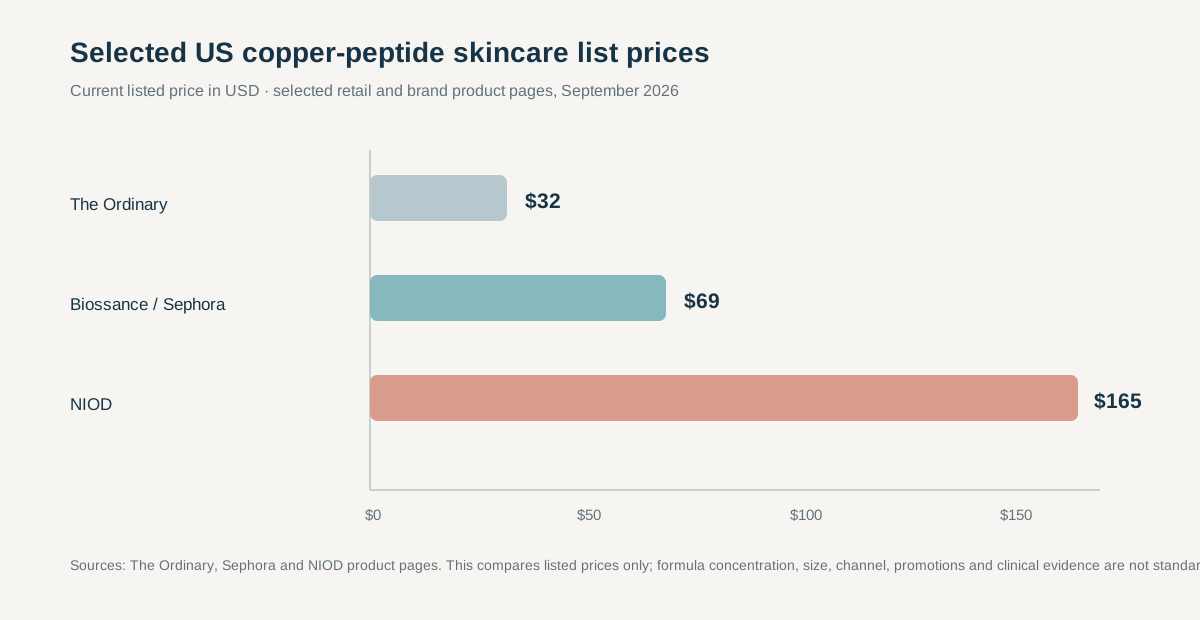
This is a retail snapshot rather than a market-size chart. It shows a broad price ladder, from accessible multi-peptide serums to prestige delivery-system products. It also shows why a new OEM/ODM concept needs a clear answer to one question: is it competing through price, formula feel, supporting actives, evidence, packaging or a specific consumer concern?
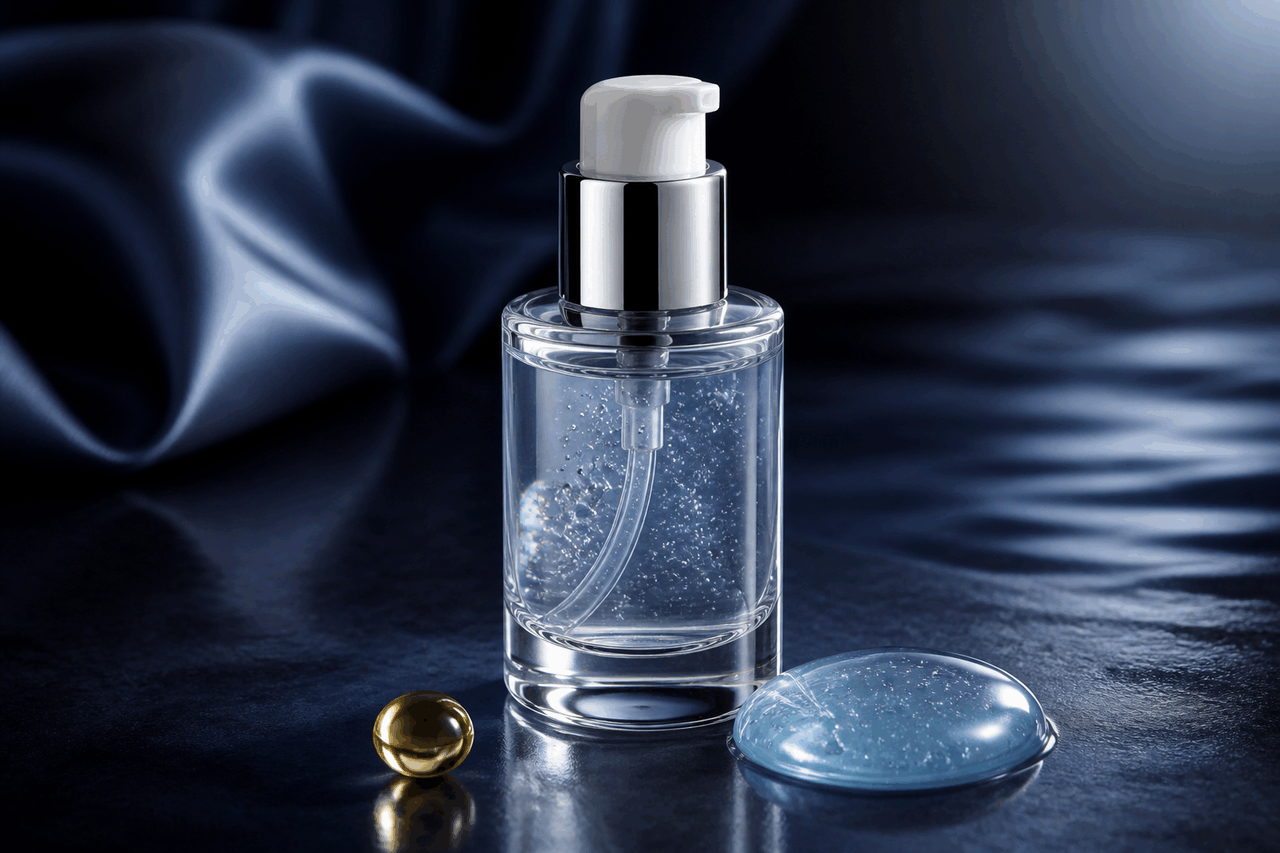
Original visual: a premium hydration-and-plumping serum direction for copper-peptide positioning.
Research around GHK-Cu is relevant, but not a licence for medical claims. A 2026 article in Skin Research and Technology examined a finished cream combining GHK-Cu with a mixed-culture ferment using in-vitro, ex-vivo and clinical testing. The authors reported improvements in wrinkles and skin-barrier-related outcomes for that tested combination. PubMed record
The correct interpretation is narrow:
Older human evidence also has limitations. A small randomized study of topical copper tripeptide complex after CO2 laser resurfacing found higher patient-rated skin-quality improvement, while objective measures did not show significant between-group differences for earlier erythema resolution, wrinkles or overall skin quality. PubMed
For product copy, this means brands should focus on cosmetics-appropriate outcomes such as visibly smoother-looking skin, hydration, plumping, firmness and skin texture—supported by testing on the actual finished formula.
The US has the clearest visible retail evidence. Biossance’s Sephora listing positions GHK-Cu alongside hydration, squalane and plumping, while The Ordinary shows that copper peptides can also sit inside an accessible multi-peptide routine. Sephora, The Ordinary
Strong concepts include a nightly copper-peptide serum, a plumping and hydration treatment, a neck and décolletage serum, and an eye-area product with a modest, evidence-led claim structure. Under US law, the product’s intended use and claims must remain within the cosmetic category; MoCRA requirements should be part of the launch plan. FDA MoCRA
Europe is attractive for premium healthy-ageing skincare, but it is not a place for “skin regeneration” marketing. The stronger direction is an elegant blue-tinted serum or night gel positioned around visible firmness, hydration and smoother-looking skin. The formula must be supported by an EU safety assessment, Product Information File and claims substantiation. European Commission
For the UK, notification and responsible-person requirements should be reviewed independently. Product education should avoid conflating cosmetic topical care with prescription or injectable peptide content circulating online.
Korea and China are important reference markets for peptide texture, packaging and ingredient storytelling. They offer a useful environment for copper peptides combined with PDRN, ceramides, fermented ingredients, hyaluronic acid and other healthy-ageing actives.
The strongest commercial architecture is a system rather than one expensive bottle:
Brands should not treat local product listings or social content as substitute evidence for final claims. Ingredient identity, formula safety and advertising wording require market-specific review.
Japan is a selective market for GHK-Cu. The best fit is a mild, precise formula with a calm texture and a restrained healthy-ageing story. A fragrance-conscious gel-cream, eye treatment or night serum is more likely to translate than an aggressive “clinical repair” narrative.
Southeast Asia is suited to light textures, fast absorption and social-commerce education. The best product candidates are a water-gel serum, a light fluid moisturiser and a small discovery kit. Heat stability, colour stability and compatible packaging need to be planned early.
In the Middle East, GHK-Cu can support premium plumping and hydration concepts in airless packaging, night treatments or giftable systems. In Latin America, a more accessible serum or multi-peptide moisturiser may be the stronger entry route. In both regions, distributors, price architecture and local registration requirements matter as much as the ingredient trend.
GHK-Cu is not a plug-and-play “hero active.” The copper complex can create visible colour, and its performance may be affected by pH, raw-material quality, chelators, incompatible actives, oxidation, light exposure and packaging interactions. A 2026 formulation guide from Vialdyne highlights pH, chelator compatibility and analytical checks as key controls; this is supplier-side technical guidance, so it should be validated against the brand’s own formula and stability protocol. Vialdyne
Development questions to resolve before sampling include:
Do not use colour alone as a potency claim. A visibly blue product can still differ widely in active identity, loading, stability and consumer performance.
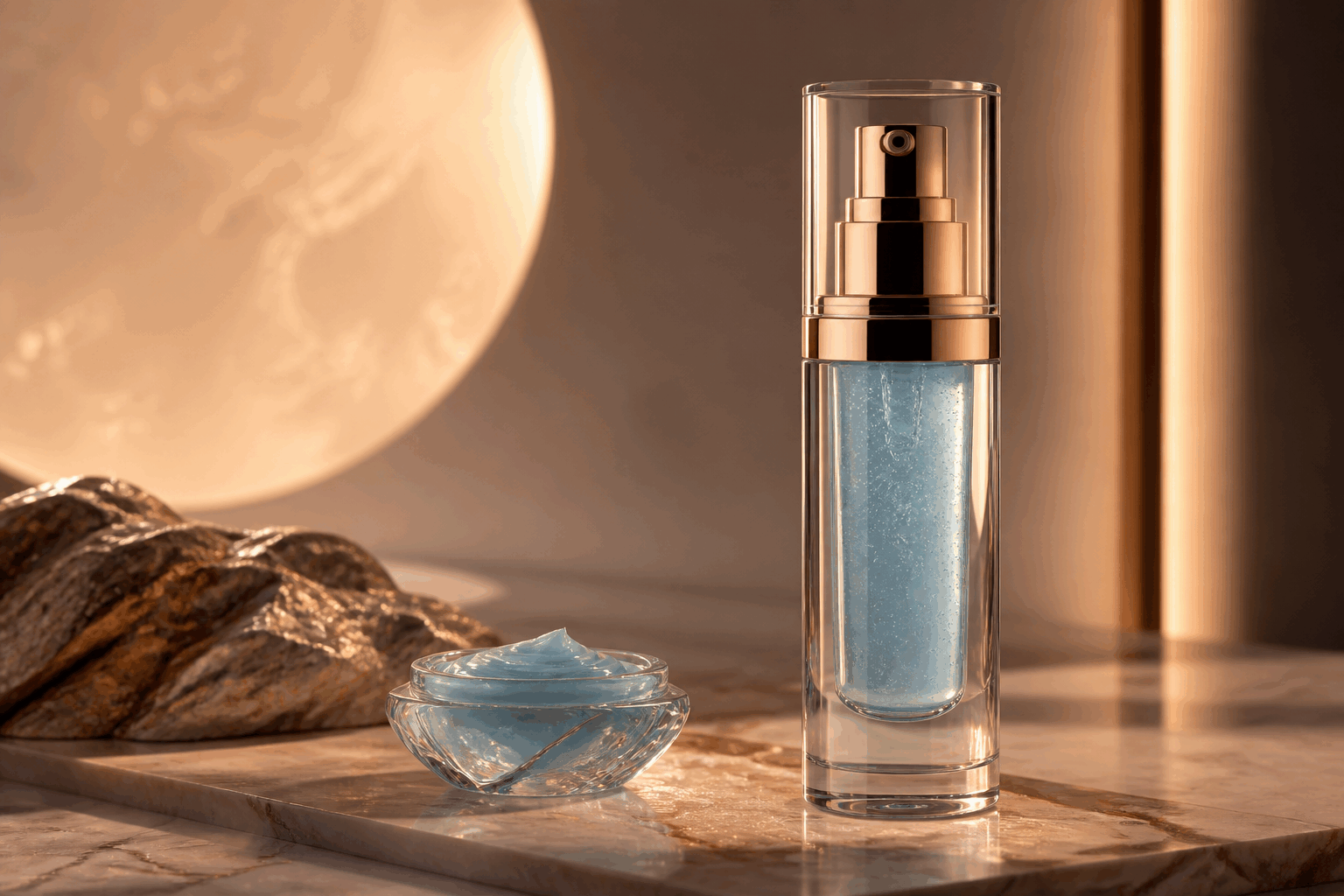
Original visual: an airless night-gel direction for a premium healthy-ageing routine.
| Product concept | Supporting ingredients | Best-fit format | Primary cosmetic story |
|---|---|---|---|
| Multi-peptide copper serum | GHK-Cu or Copper Tripeptide-1, hyaluronic acid, panthenol | Aqueous or gel serum | Hydration and smoother-looking skin |
| Copper peptide night gel | Copper peptide, ceramides, squalane, barrier-support lipids | Night gel or gel-cream | Visible firmness and overnight comfort |
| Eye and neck treatment | Copper peptide, selected peptides, humectants | Airless cream or serum | Plumping and improved appearance of fine lines |
| Recovery-oriented serum | Copper peptide, ectoin, beta-glucan, allantoin | Lightweight serum | Comfort and resilient-looking skin |
| Premium healthy-ageing system | Copper peptide, peptide blend, niacinamide or a compatible antioxidant system | Serum + cream duo | A coherent long-term routine |
The final selection should be based on stability and claims feasibility, not on the maximum possible number of actives. A simpler, stable formula with clear consumer education is usually a stronger commercial product than an overfilled ingredient list.
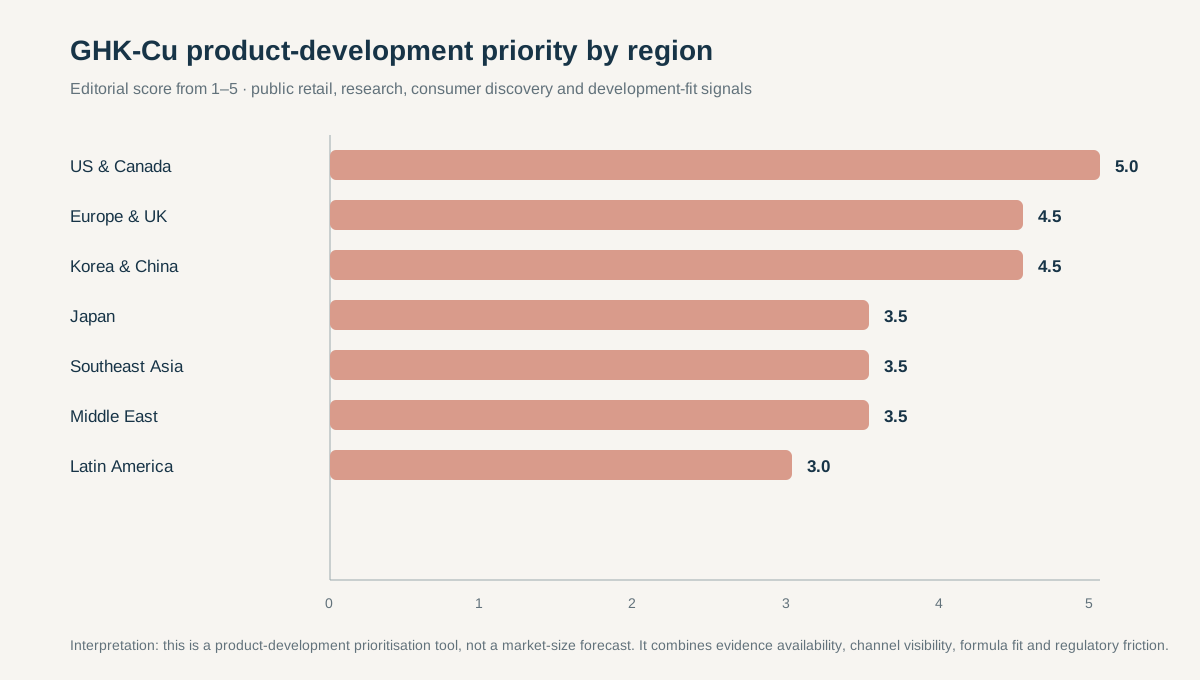
This score is an editorial decision-support tool rather than a sales forecast. North America and Europe rank highly because the ingredient has visible retail and DTC validation at multiple price points. Korea and China are high-priority innovation and sourcing references. Japan offers a focused mildness-and-texture opportunity, while Southeast Asia, the Middle East and Latin America call for more deliberate price, climate and education choices.
For product feasibility and ingredient comparison, brands can review the ZD Ingredient Library, Cosmetic Ingredients and OEM/ODM development service.
GHK-Cu is a credible 2026 ingredient trend because it sits where several consumer interests meet: peptides, healthy ageing, hydration, professional-looking efficacy and colour-coded ingredient discovery. The opportunity is real, but the evidence is uneven. Search growth, retail listings and early research do not prove that every formula will work or that every market will respond in the same way.
The strongest route is to develop a stable, appropriately positioned cosmetic product with a clear price ladder, a manageable claims plan and testing on the finished formula. Brands should treat GHK-Cu as a formulation-and-evidence project, not a shortcut to “regenerative” marketing.
To explore sampling, share your target market, product format, desired retail price and planned claims with the ZD team. We can help evaluate ingredient systems, packaging options and an OEM/ODM development route.
Evidence limitation: No public source provides a unified global GHK-Cu sell-out dataset across all regions and channels. Search figures, retail prices, listings and brand product pages are therefore used as demand and channel proxies; they are not market-share or sales estimates. The regional priority chart is an editorial assessment, not a market forecast.